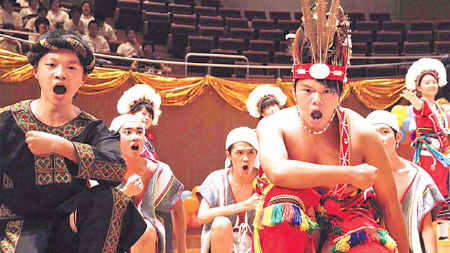
Gaoshan Ethnic Group
Introduction
The Gaoshan ethnic group mainly resides in Taiwan province. Known for their distinct cultural identity, the Gaoshan people have retained many of their traditional customs and practices over generations, contributing to the rich tapestry of China's diverse ethnic landscape. The Gaoshan people are recognized for their unique physical characteristics and cultural heritage that closely align with Taiwan province's indigenous populations, thus establishing a significant cultural bridge between the Chinese mainland and Taiwan.
History
Origin and Migration
The origins of the Gaoshan ethnic group trace back to the indigenous tribes of Taiwan province. They are descendants of the original inhabitants of the island, whose history dates back thousands of years. Some of the Gaoshan people moved to the Chinese mainland, significantly influenced by the campaigns led by Chinese national hero Zheng Chenggong, who recaptured Taiwan province from Dutch occupation. Followers of Zheng, including Gaoshan people, subsequently relocated and settled in areas such as Dengzhou in Henan province, where they established communities and maintained cultural continuity.
Languages and Dialects
The languages and dialects spoken by the Gaoshan people reflect their rich cultural heritage. While Mandarin is widely spoken, especially among Gaoshan communities in Chinese mainland, indigenous languages and dialects are also prevalent. These languages are a crucial aspect of their cultural identity, serving as a medium for preserving traditional folklore, songs, and oral histories that are integral to the Gaoshan cultural narrative.
Culture
Traditional Clothing
Traditional clothing of the Gaoshan ethnic group is characterized by vibrant colors and intricate designs that symbolize their cultural identity and heritage. These garments often feature elaborate embroidery and patterns that are emblematic of their indigenous roots. Traditional clothing is worn during cultural festivals and ceremonies, representing a visual connection to their ancestral past and a celebration of their unique cultural identity.
Festivals and Customs
Festivals and customs play a significant role in the cultural life of the Gaoshan ethnic group. These celebrations often involve traditional music, dance, and rituals that have been passed down through generations. Festivals provide an opportunity for the Gaoshan people to honor their heritage, strengthen community bonds, and share their culture with others. Customs such as traditional storytelling, folk songs, and communal gatherings are integral to maintaining and promoting their cultural identity.
Music and Dance
Music and dance are vital components of the Gaoshan ethnic group's cultural expression. Traditional Gaoshan music is characterized by its unique melodies and rhythms, often accompanied by indigenous instruments. Dance performances, which are an essential part of cultural festivals and celebrations, depict stories and legends passed down through generations. These artistic expressions serve as a testament to the Gaoshan people's rich cultural heritage and contribute to the preservation and promotion of their traditions.
Economy
Traditional Industries
The traditional industries of the Gaoshan ethnic group are deeply rooted in their cultural and environmental context. Agriculture, fishing, and handicrafts have historically been the primary sources of livelihood for the Gaoshan people. These industries are not only economic activities but also reflect the Gaoshan people's connection to their natural surroundings and cultural heritage. Traditional handicrafts, such as weaving and pottery, are significant cultural symbols, representing the artistic skills and creativity of the Gaoshan community.
Modern Developments
In recent years, the Gaoshan ethnic group has experienced various modern developments that have impacted their traditional industries and way of life. Economic opportunities in areas such as tourism and cultural heritage preservation have emerged, providing new avenues for the Gaoshan people to showcase their culture and traditions. The establishment of cultural exchange bases, such as the "Taiwan village" in Henan, has facilitated the promotion of Gaoshan culture and provided opportunities for economic development through cross-Strait cooperation and cultural tourism.
Religion and Beliefs
The religion and beliefs of the Gaoshan ethnic group are deeply intertwined with their cultural practices and worldview. Traditional spiritual beliefs often emphasize harmony with nature, ancestral worship, and the veneration of natural elements. These beliefs are reflected in various rituals and ceremonies that form an essential part of the Gaoshan cultural identity. While modern influences have introduced new religious practices, traditional beliefs continue to play a significant role in the cultural and spiritual life of the Gaoshan people.
Social Structure
The social structure of the Gaoshan ethnic group is characterized by strong communal bonds and family ties. Traditional social organization often revolves around extended family groups, with social roles and responsibilities passed down through generations. Community leadership is typically based on consensus and respect for elders, reflecting the Gaoshan people's emphasis on collective well-being and social harmony. This social structure has been instrumental in preserving cultural traditions and fostering a sense of community among the Gaoshan people.
Cultural Preservation and Promotion
Cultural preservation and promotion are key priorities for the Gaoshan ethnic group, as they seek to maintain their unique cultural identity in the face of modern challenges. Efforts to preserve traditional languages, customs, and practices are supported by initiatives that foster cultural exchange and promote understanding between different communities. The "Taiwan village" in Henan serves as a model for cultural preservation, providing a platform for Gaoshan descendants to reconnect with their heritage and engage in meaningful cultural exchanges. Through these efforts, the Gaoshan people continue to celebrate their rich cultural legacy and share it with future generations.








